

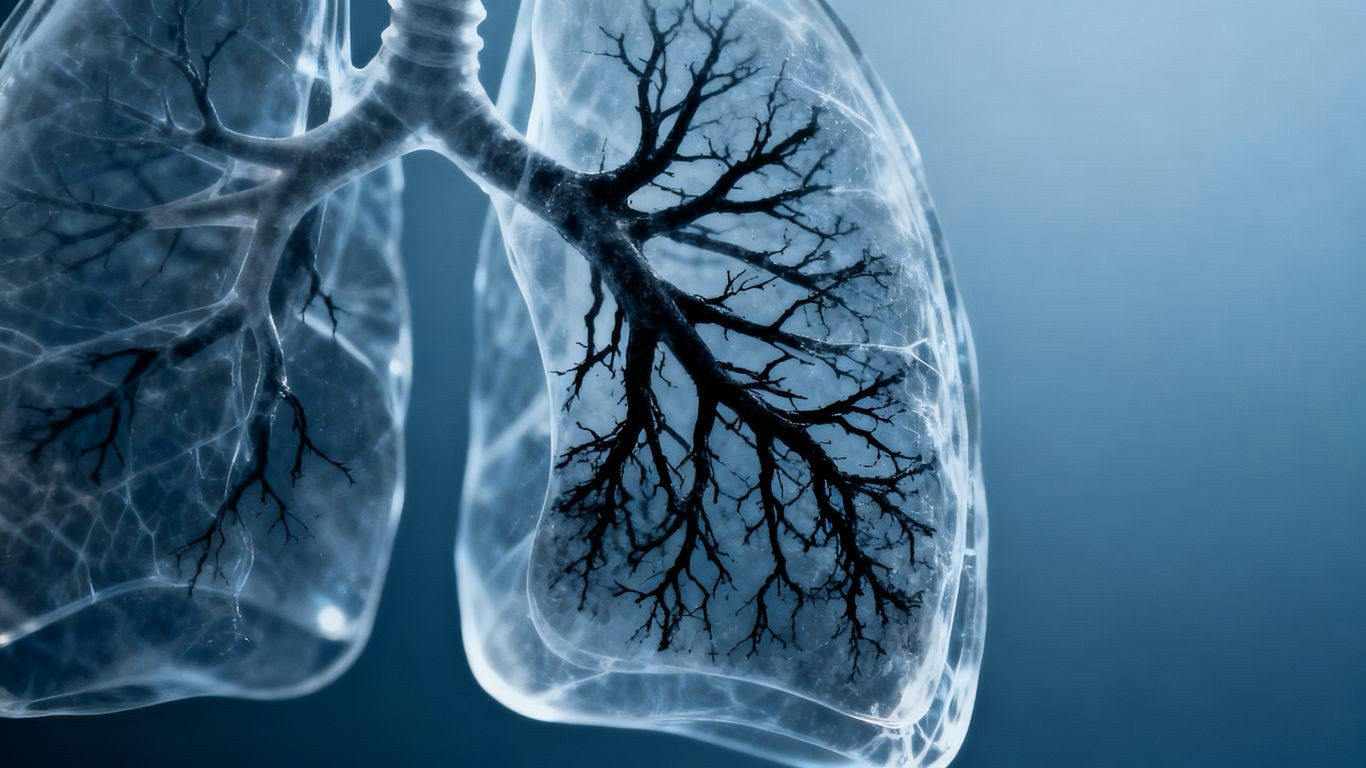
What Constitutes Asbestos Lung Cancer?
Asbestos lung cancer refers to a specific type of lung cancer that develops after a person inhales asbestos fibers. These microscopic fibers, once widely used in construction and manufacturing for their heat resistance, can become airborne and, when breathed in, settle deep within the lungs. Over time, these fibers can cause chronic irritation and inflammation, leading to cellular changes that may eventually result in cancer. It’s important to understand that not everyone exposed to asbestos will develop lung cancer; however, the risk is significantly elevated. Understanding legal options for those diagnosed with asbestos-related cancers is an important early step for those who have had prolonged or intense exposure. The development of this disease is often a slow process, meaning a diagnosis might occur many years, even decades, after the initial exposure.
How Asbestos Fibers Lead to Cancer
The process by which asbestos fibers contribute to lung cancer is complex. When inhaled, these sharp, durable fibers can penetrate lung tissue. The body’s natural defense mechanisms try to remove them, but asbestos fibers are resistant to breakdown. This leads to persistent inflammation and scarring, a condition known as asbestosis. This chronic irritation can damage the DNA within lung cells. Over many years, this accumulated damage can cause cells to grow uncontrollably, forming malignant tumors. The location of these tumors often depends on how air flows through the lungs and where the fibers tend to settle, frequently appearing in the upper lobes of the lungs.
Key Facts About Asbestos-Related Lung Cancer
- Latency Period: Asbestos-related lung cancer typically has a long latency period, often taking 15 to 35 years from the time of exposure to the development of symptoms and diagnosis.
- Dose-Response Relationship: The risk of developing lung cancer from asbestos exposure is directly related to the intensity and duration of that exposure. Higher exposure levels and longer periods of contact increase the likelihood and severity of the disease.
- Synergistic Effect with Smoking: When combined with smoking, asbestos exposure dramatically multiplies the risk of lung cancer. This synergistic effect means the combined risk is far greater than the sum of the individual risks of smoking or asbestos exposure alone.
- Prevalence: While not all lung cancers are asbestos-related, it is estimated that approximately 4% of lung cancer cases in the United States are linked to asbestos exposure.
Recognizing Asbestos Lung Cancer Symptoms
What Constitutes Asbestos Lung Cancer?
Asbestos lung cancer develops when a person breathes in asbestos fibers, which then travel into the lungs and cause damage over time. This damage can lead to the formation of cancerous tumors. It’s important to understand that asbestos lung cancer is not a single disease but rather lung cancer that has been directly linked to asbestos exposure. The fibers can lodge deep within the lung tissue, leading to chronic inflammation and genetic mutations that eventually result in cancer. This process typically takes many years, often decades, to manifest.
How Asbestos Fibers Lead to Cancer
When asbestos fibers are inhaled, they can become embedded in the lung tissue. The body’s immune system tries to remove these foreign particles, but asbestos fibers are particularly resilient and difficult to break down. This persistent presence leads to chronic inflammation. Over long periods, this inflammation can damage the DNA of lung cells, causing mutations. These mutations can disrupt normal cell growth and division, leading to the uncontrolled proliferation of cells that characterizes cancer. The longer and more intense the exposure, the greater the likelihood of developing these damaging mutations and, consequently, asbestos-related lung cancer.
Key Facts About Asbestos-Related Lung Cancer
- Latency Period: Symptoms often don’t appear for 15 to 35 years after initial asbestos exposure.
- Dose-Response Relationship: The risk of developing lung cancer increases with the duration and intensity of asbestos exposure.
- Smoking Synergy: Smoking significantly multiplies the risk of lung cancer in individuals exposed to asbestos, making it a particularly dangerous combination.
- Prevalence: It is estimated that around 4% of all lung cancer cases in the United States are linked to asbestos exposure.
- Tumor Location: Tumors associated with asbestos exposure frequently develop in the upper lobes of the lungs.
The Latency Period of Asbestos Lung Cancer
One of the most challenging aspects of asbestos-related lung cancer is the significant time lag between exposure and the appearance of symptoms or a diagnosis. This period, known as the latency period, can be quite long, often spanning decades.
Understanding the Time Lag Between Exposure and Diagnosis
It’s not uncommon for asbestos lung cancer to take anywhere from 10 to 50 years to develop after someone has inhaled asbestos fibers. This extended timeframe means that individuals might have worked with asbestos or lived in an environment with asbestos exposure many years before they ever experience any health issues. The fibers lodge deep within the lungs, and over a very long time, they can cause cellular changes that eventually lead to cancer. This prolonged development period is a hallmark of asbestos-induced diseases. For those who have been diagnosed, reviewing compensation payout timelines for asbestos-related claims can help set expectations.
Why Latency Periods Complicate Diagnosis
The long latency period presents several diagnostic hurdles. By the time symptoms appear, the cancer may have progressed significantly, making treatment more difficult. Furthermore, individuals may no longer recall or even be aware of past asbestos exposures, especially if they occurred in workplaces that have since closed or in older homes that have been renovated. This makes it harder for doctors to connect the lung cancer to its original cause. It also means that people might be exposed to asbestos and not realize the potential long-term danger for many years.
The Helsinki Criteria for Asbestos-Related Lung Cancer
To help standardize the diagnosis of asbestos-related lung diseases, including lung cancer, medical professionals sometimes refer to criteria like the Helsinki Criteria. These guidelines help establish a link between a patient’s lung cancer and their history of asbestos exposure. Generally, these criteria look for:
- Evidence of asbestos exposure: This can be through occupational history, environmental exposure, or even secondhand exposure.
- A diagnosis of lung cancer: Confirmed through medical imaging and biopsies.
- Exclusion of other causes: While smoking is a major risk factor, the criteria aim to differentiate asbestos-related lung cancer, especially in non-smokers or light smokers.
- A sufficient latency period: Typically, a minimum of 10 years between the first documented asbestos exposure and the diagnosis of lung cancer is considered.
Factors Influencing Asbestos Lung Cancer Risk
The Role of Exposure Duration and Intensity
The amount of asbestos someone is exposed to, and for how long, plays a big part in whether they might develop lung cancer. It’s not just a simple yes or no; it’s more of a “how much” and “how often” situation. Think of it like this: a brief, low-level exposure is less likely to cause problems than years spent working in an environment with high concentrations of asbestos fibers. The risk generally increases with both the intensity and the duration of exposure. Information about asbestos lawsuit settlements and compensation amounts may be relevant for those with a documented exposure history. This means that jobs involving direct handling of asbestos materials, like in construction or shipbuilding, historically carried a higher risk.
The Synergistic Effect of Smoking and Asbestos
This is where things get particularly concerning. When you combine smoking with asbestos exposure, the risk of developing lung cancer doesn’t just add up; it multiplies. It’s a dangerous partnership. Asbestos fibers can irritate and damage lung tissue, and smoking introduces a whole host of carcinogens that further harm the lungs. When both are present, the damage can be significantly amplified, leading to a much higher chance of cancer developing than either factor would cause on its own. Studies have shown this combined risk can be several times greater than the sum of the individual risks. Those facing a diagnosis may want to explore their legal options for asbestos-related illness claims.
Occupational and Environmental Exposure Risks
Exposure to asbestos isn’t limited to specific jobs. While occupational exposure has been a major concern, environmental factors also contribute:
- Workplace Exposure: Historically, industries like mining, construction, shipbuilding, and manufacturing used asbestos extensively. Workers in these fields were often exposed to high levels of fibers.
- Home and Building Exposure: Asbestos was also used in many building materials for insulation and fireproofing. Disturbing these materials during renovations or in older, deteriorating buildings can release fibers into the air.
- Military Service: Personnel, particularly those in the Navy, worked with asbestos-containing materials in ships and facilities, leading to significant exposure risks.
- Community Exposure: Living near asbestos mines or factories, or in areas where asbestos-containing products were manufactured or disposed of, could also lead to exposure through the air and dust.
Diagnosis and Medical Evaluation
The Importance of Medical and Occupational History
When trying to figure out if lung cancer is linked to asbestos, a doctor really needs to know about your past. This means talking about where you’ve worked and for how long. A detailed occupational history is key to pursuing an asbestos settlement because it helps identify potential exposure to asbestos fibers. Doctors will ask about specific jobs, industries, and any known asbestos use in those environments. This information, combined with your current symptoms, gives them a clearer picture. It’s also important to mention any family history of lung cancer or other asbestos-related diseases. Sometimes, symptoms can be vague and might seem like other common lung issues, so this background information is vital for pointing towards the right diagnosis.
Diagnostic Tools for Asbestos-Related Lung Cancer
Several tests can help doctors find and diagnose lung cancer, especially when asbestos exposure is suspected. These tools provide different views of the lungs and surrounding tissues:
- Imaging Scans: Chest X-rays are often the first step, looking for any unusual spots. Computed tomography (CT) scans offer more detailed, cross-sectional images, which are better at spotting tumors. Magnetic resonance imaging (MRI) uses magnets and radio waves for even more detailed views, useful for seeing if cancer has spread.
- Biopsy: This is the definitive way to confirm a lung cancer diagnosis. A small sample of lung tissue or fluid is taken and examined under a microscope by a pathologist. This confirms the presence of cancer cells and can sometimes help identify the type of lung cancer.
- PET Scans: Positron emission tomography scans involve injecting a radioactive sugar into the body. Cancer cells tend to absorb more of this sugar, making them visible on the scan. This helps doctors see where cancer might be located and if it has spread.
The Role of Regular Cancer Screenings
For individuals with a history of asbestos exposure, regular lung cancer screenings can be incredibly important. These screenings are typically done even when no symptoms are present. They often use low-dose computed tomography (LDCT) scans, which combine X-rays with low-dose radiation to create detailed images of the lungs. This proactive approach can help detect lung cancer at its earliest stages, when it is most treatable. Early detection significantly improves the chances of successful treatment and better outcomes. Individuals diagnosed with asbestos-related lung cancer should also explore settlement options available through asbestos litigation. Remember, lung cancer symptoms may not show up for many years after exposure, making screening a vital tool for those at risk. The risk of lung cancer is significantly increased when smoking is combined with asbestos exposure, making screening even more critical for former or current smokers with a history of asbestos contact [280c].
Types of Asbestos-Related Lung Cancer
When lung cancer is linked to asbestos exposure, it generally falls into one of two main categories: Non-Small Cell Lung Cancer (NSCLC) and Small Cell Lung Cancer (SCLC). While both stem from breathing in asbestos fibers, they differ in how they grow and spread, which impacts treatment and prognosis.
Non-Small Cell Lung Cancer (NSCLC)
This is the more common form of lung cancer associated with asbestos, accounting for about 80% to 85% of asbestos-related cases. NSCLC tends to grow and spread more slowly compared to SCLC. It’s further broken down into three subtypes:
- Adenocarcinoma: Tumors that start in the glandular cells lining the air sacs of the lungs.
- Squamous cell carcinoma: Tumors that develop from the flat cells lining the airways.
- Large cell carcinoma: Tumors that can appear anywhere in the lung tissue and tend to grow quickly.
Small Cell Lung Cancer (SCLC)
SCLC is less common, making up about 10% to 15% of asbestos-related lung cancers. This type is known for its rapid growth and tendency to spread to other parts of the body relatively quickly. Because of its aggressive nature, SCLC often requires prompt and intensive treatment. Families affected by asbestos-related cancers may also benefit from reviewing past asbestos settlement and verdict outcomes to understand potential compensation. The cells in SCLC appear smaller and more uniform under a microscope, often described as oat-shaped, distinguishing them from the larger cells found in NSCLC. Early detection is particularly important for SCLC due to its aggressive behavior.
